
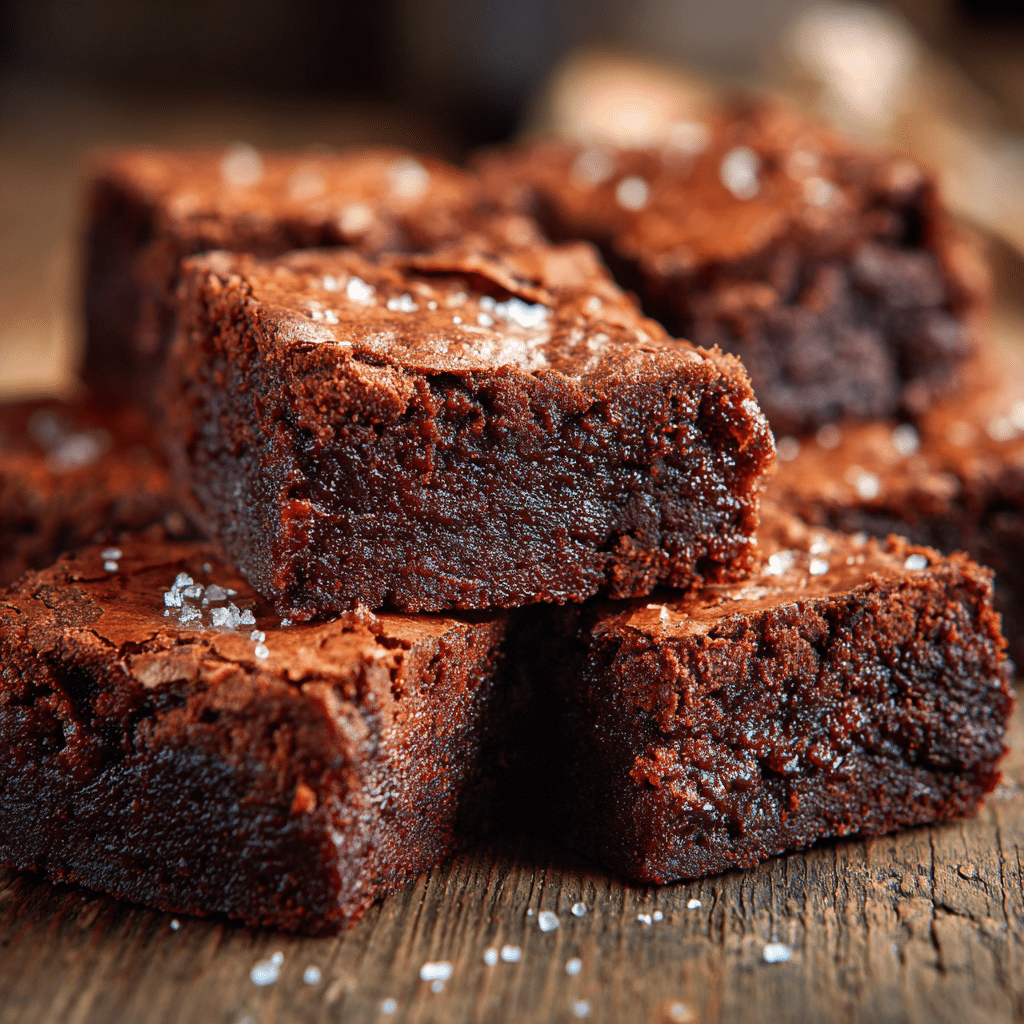
If you’ve ever craved a brownie that’s both decadent and gluten-free, you’re in the right place. This complete guide explores everything about baking the perfect gluten-free brownie recipe—from choosing the right flour alternatives to mastering texture and flavor. Whether you’re newly gluten-free or simply looking for a rich dessert everyone will love, this article breaks down all the details you need to make brownies that are chewy, moist, and deeply chocolatey. Discover tips from professional bakers, explore gluten-free substitutions that really work, and learn how to make brownies that taste just like the classic version—or even better.
Understanding Gluten-Free Brownies Recipe
What Makes a Gluten-Free Brownie Recipe Special?
A gluten-free brownie recipe differs from traditional brownies mainly because it eliminates wheat flour, which contains gluten. Gluten gives baked goods their structure and chewiness, so in gluten-free brownies, alternative flours and binders are used to mimic that texture. Popular substitutions include almond flour, oat flour, or gluten-free flour blends. Adding eggs, flax eggs, or chia seeds ensures the brownies hold together while remaining fudgy. These small adjustments make all the difference in creating a dessert that’s rich, chewy, and indulgent.
Key Ingredients for Gluten-Free Brownie Recipe
To nail your gluten-free brownie recipe, focus on these essential ingredients:
| Ingredient | Purpose | Best Options |
|---|---|---|
| Gluten-free flour | Structure | Almond flour, oat flour, rice flour, or 1:1 gluten-free blends |
| Binder | Hold texture | Eggs, flax eggs, chia eggs |
| Sweetener | Balanced sweetness | Granulated sugar, brown sugar, honey, or maple syrup |
| Fat | Moisture & richness | Butter, coconut oil, or ghee |
| Chocolate | Flavor depth | Cocoa powder, dark chocolate, chocolate chips |
| Flavor enhancers | Optional | Vanilla extract, espresso powder, nuts |
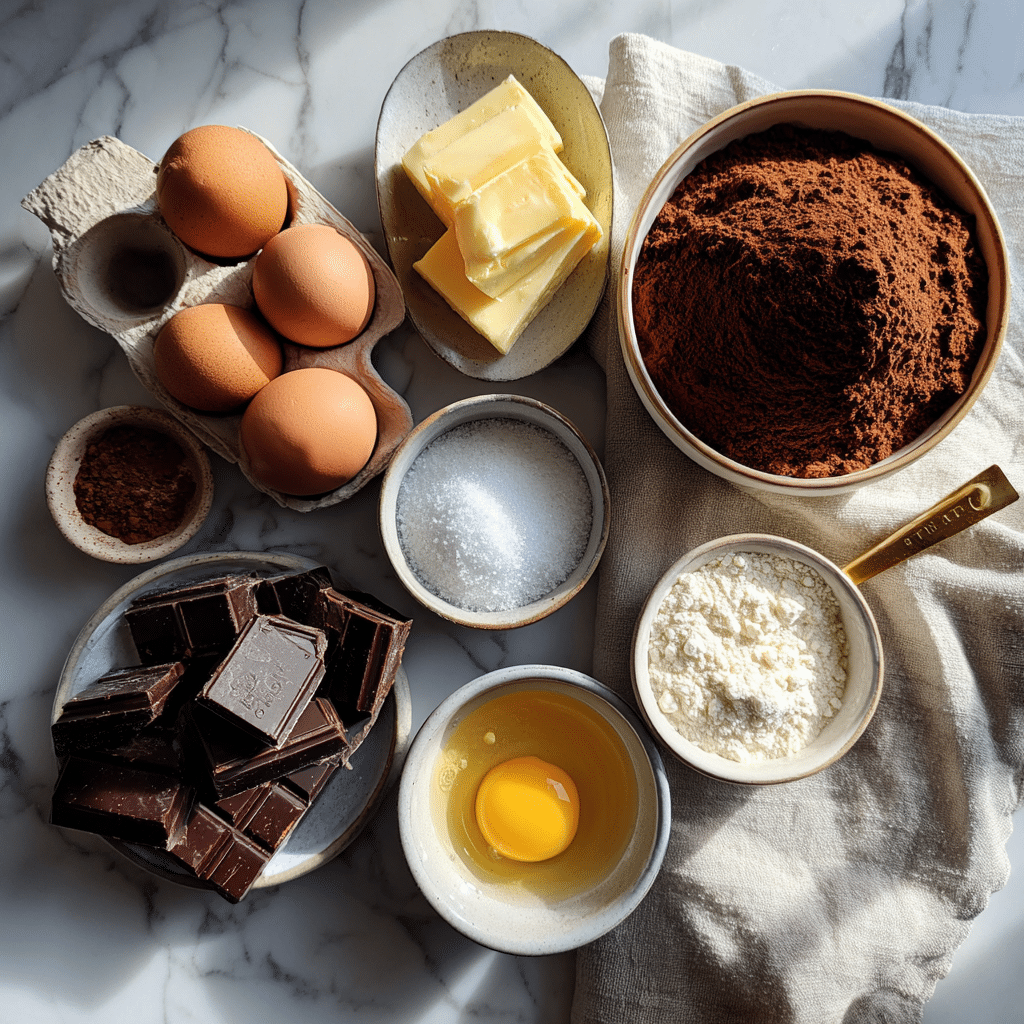
Using these ingredients thoughtfully ensures your brownies are moist, dense, and full of chocolatey goodness.
Common Challenges in Gluten-Free Brownie Baking
Baking gluten-free brownies comes with its own set of challenges:
- Texture issues – Brownies can become crumbly or dry if the binder or flour isn’t balanced.
- Overmixing – Gluten-free batters often require less mixing to avoid grainy textures.
- Moisture retention – Alternative flours can absorb more liquid, so adjusting fat and liquid content is key.
- Flavor differences – Some gluten-free flours have distinct flavors (like almond or coconut), which may slightly alter the taste.
Following a tested gluten-free brownie recipe and knowing these challenges helps ensure a consistent, delicious result every time. Don’t miss our guide to mastering perfect gluten-free desserts here.
Baking Techniques for Gluten-Free Brownies
Preparing Your Ingredients for Success
Before starting your gluten-free brownie recipe, it’s important to prep your ingredients correctly. Measure flour carefully—too much can make brownies dry. Sift cocoa powder to avoid clumps and ensure even mixing. Bring eggs, butter, or oil to room temperature to create a smooth batter. Using the right preparation methods enhances texture and ensures your brownies turn out fudgy and moist every time.
Mixing Methods for Perfect Texture
The way you mix your batter directly affects the texture of gluten-free brownies:
- Creaming method – Beat butter and sugar until fluffy before adding eggs and dry ingredients for a lighter texture.
- Folding method – Gently fold in flour and chocolate to preserve airiness and avoid a dense, heavy brownie.
- One-bowl method – Combine all ingredients in a single bowl for quick preparation and minimal cleanup.
Using these techniques with your gluten-free brownie recipe ensures optimal texture without overmixing, which can cause graininess.
Baking Times and Temperature Control
Baking gluten-free brownies requires careful attention to time and temperature:
- Preheat your oven properly to avoid uneven baking.
- Use an oven thermometer to ensure accurate heat.
- Bake at 325–350°F (160–175°C) depending on your pan and recipe.
- Check doneness with a toothpick; it should come out with a few moist crumbs, not completely dry.
Proper temperature control helps maintain the fudgy center while giving the edges a slight crispness.
Flour and Binder Substitutions in Gluten-Free Brownie Recipe
Choosing the Right Gluten-Free Flour
Selecting the proper flour is crucial in any gluten-free brownie recipe. Different flours affect texture, flavor, and density:
- Almond flour: Adds a moist, nutty flavor and creates a tender crumb.
- Oat flour: Offers mild sweetness and works well for chewy brownies.
- Rice flour: Provides structure but may need extra binder to prevent crumbliness.
- 1:1 Gluten-free flour blends: Often include xanthan gum or guar gum for structure, making them ideal for consistent results.
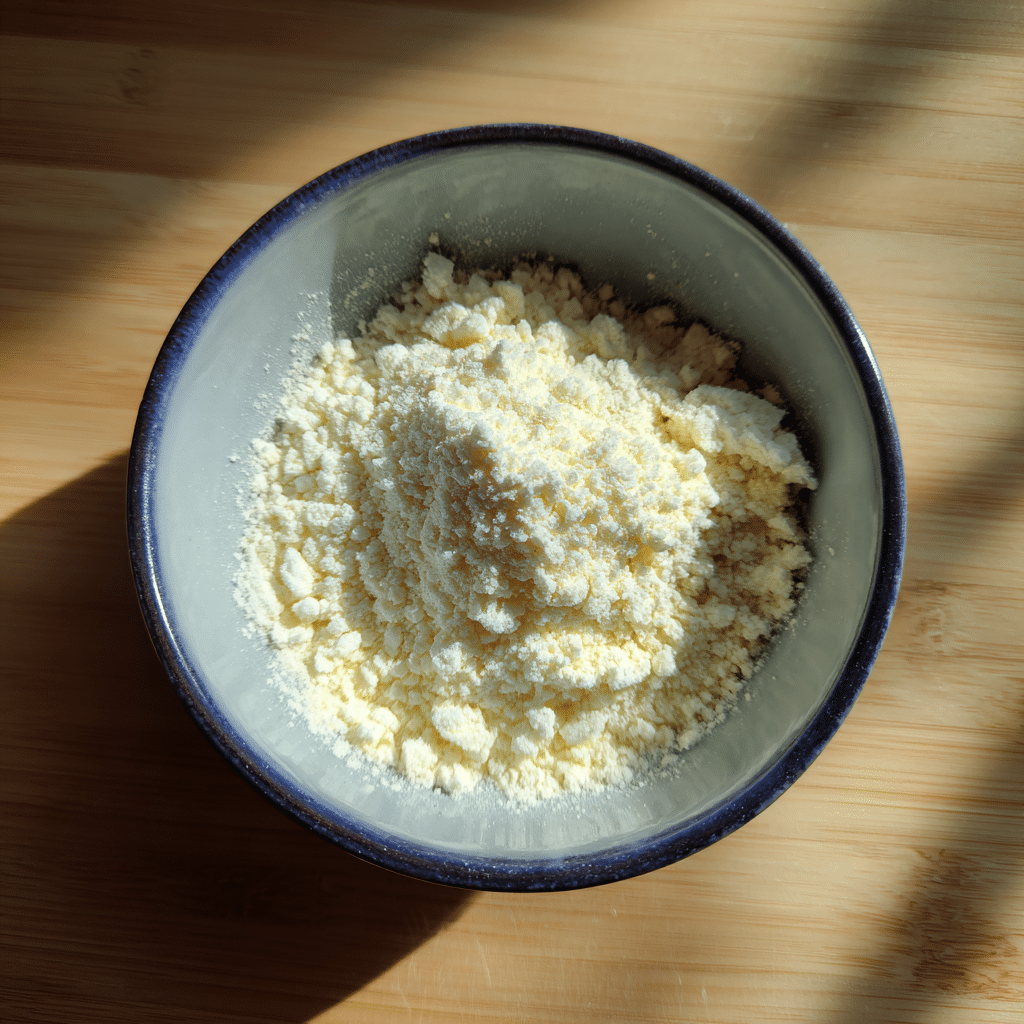
By experimenting with these flours, you can achieve the perfect balance between fudgy and chewy in your brownies. Learn more about gluten-free baking techniques here.
Best Binders for Gluten-Free Brownies
Binders are essential in a gluten-free brownie recipe to maintain structure and moisture:
- Eggs: The most common binder; they add richness and hold the batter together.
- Flax eggs: Mix 1 tablespoon of ground flaxseed with 3 tablespoons of water and let it sit for 5 minutes.
- Chia eggs: Same ratio as flax eggs; add a slight nutty flavor.
- Applesauce or mashed banana: Works as a binder while adding natural sweetness and moisture.
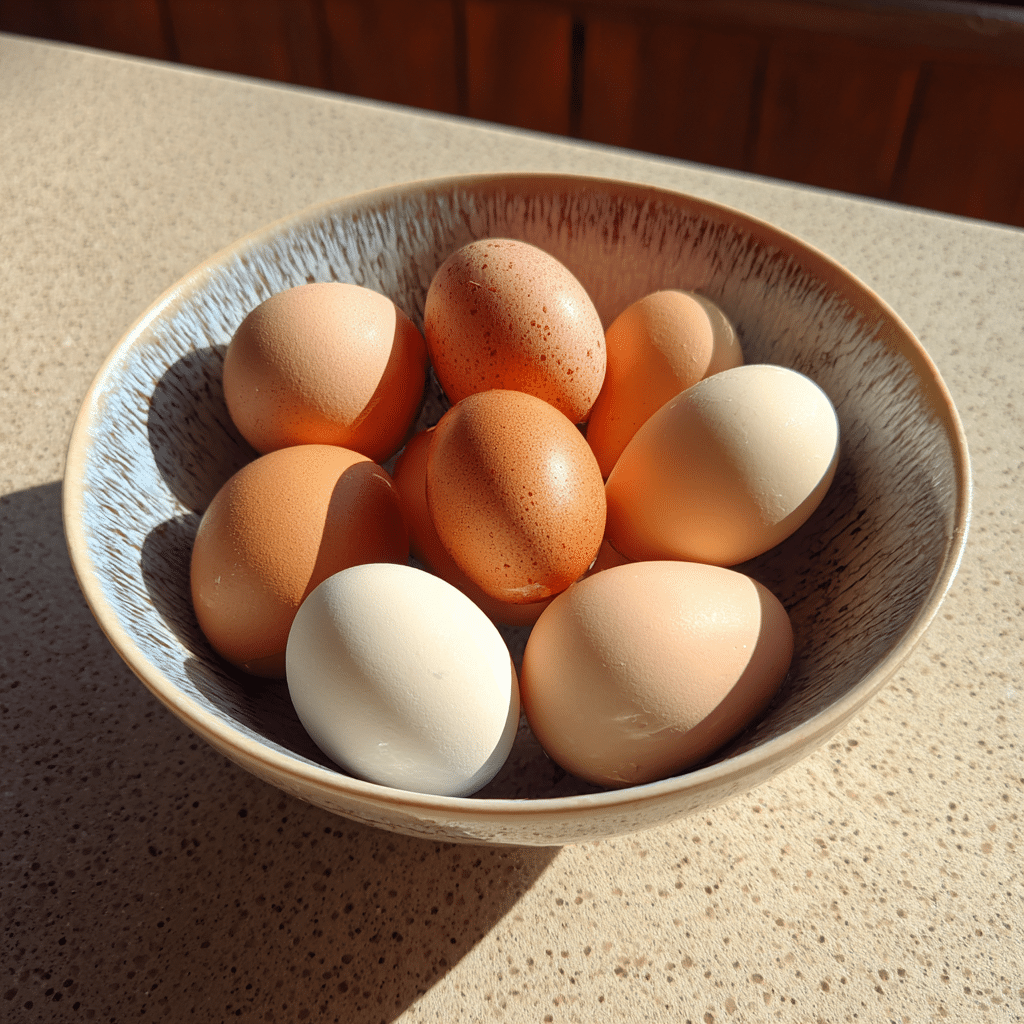
Choosing the right binder depends on whether you want your brownies fudgy, cakey, or chewy. Combining alternative flours with the correct binder is key to a successful gluten-free brownie recipe.
Tips for Combining Flours and Binders
- Mix almond flour with oat flour for a balance of flavor and texture.
- Use eggs for structure, and add a small amount of flax or chia for extra binding.
- Avoid overmixing once binders are added to prevent a dense texture.
- Adjust liquid slightly if using fruit-based binders to maintain batter consistency.
Following these substitution tips ensures your brownies remain moist, fudgy, and full of chocolatey goodness, even without gluten.
Enhancing Flavor in Gluten-Free Brownies Recipe
Choosing the Best Chocolate
The chocolate you select is crucial in a gluten-free brownie recipe. High-quality chocolate intensifies the rich, fudgy flavor:
- Cocoa powder: Unsweetened or Dutch-processed cocoa provides a deep chocolate taste.
- Dark chocolate: Use 60–70% cocoa for a balanced bitterness and sweetness.
- Chocolate chips: Add texture and pockets of melty chocolate throughout the brownies.
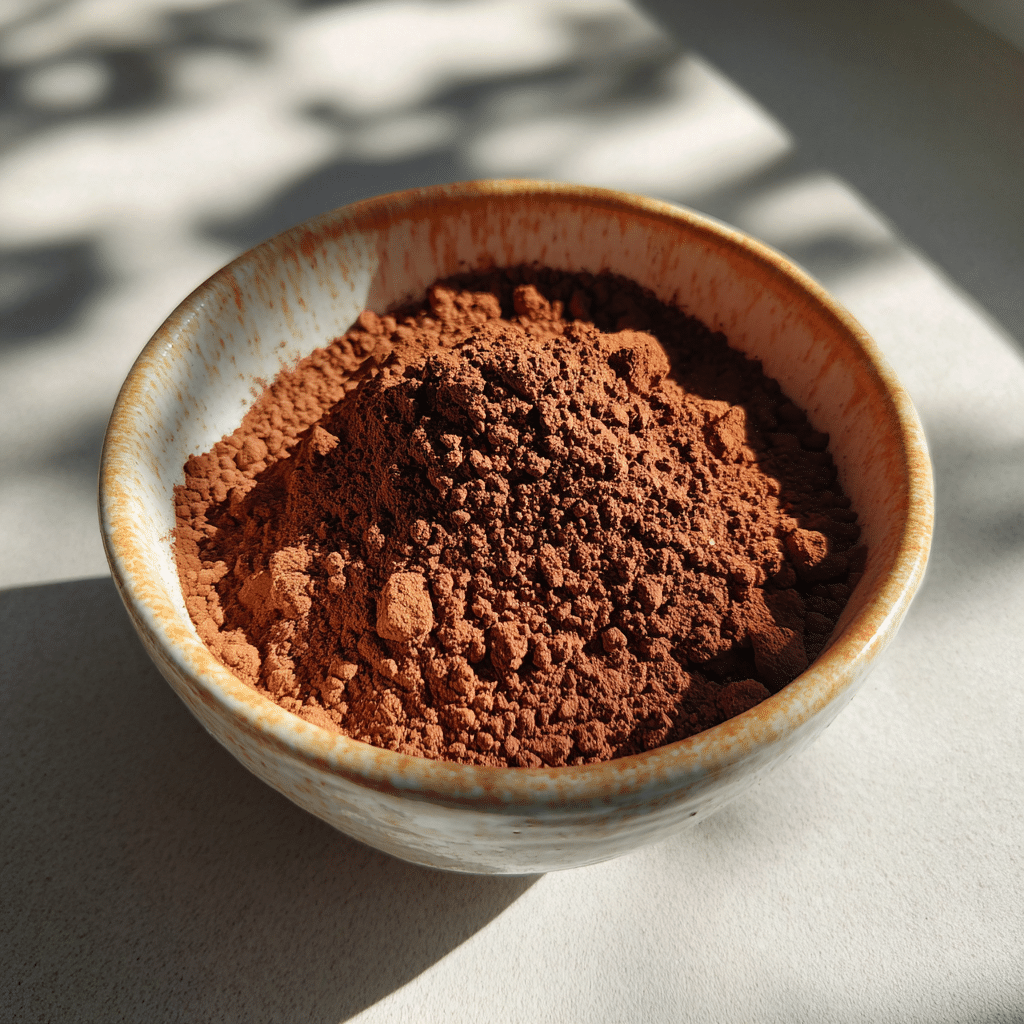
Using premium chocolate makes your brownies taste indulgent and helps mimic the richness of traditional brownies. Don’t forget to chop chocolate evenly to ensure consistent melting and flavor distribution.
Natural Flavor Boosters
Enhance your gluten-free brownie recipe with natural flavor additions:
- Vanilla extract: Adds depth and balances chocolate flavor.
- Espresso or coffee powder: Intensifies chocolate taste without making brownies taste like coffee.
- Nuts: Walnuts, pecans, or almonds add crunch and subtle flavor.
- Sea salt sprinkle: Highlights sweetness and adds a sophisticated touch.
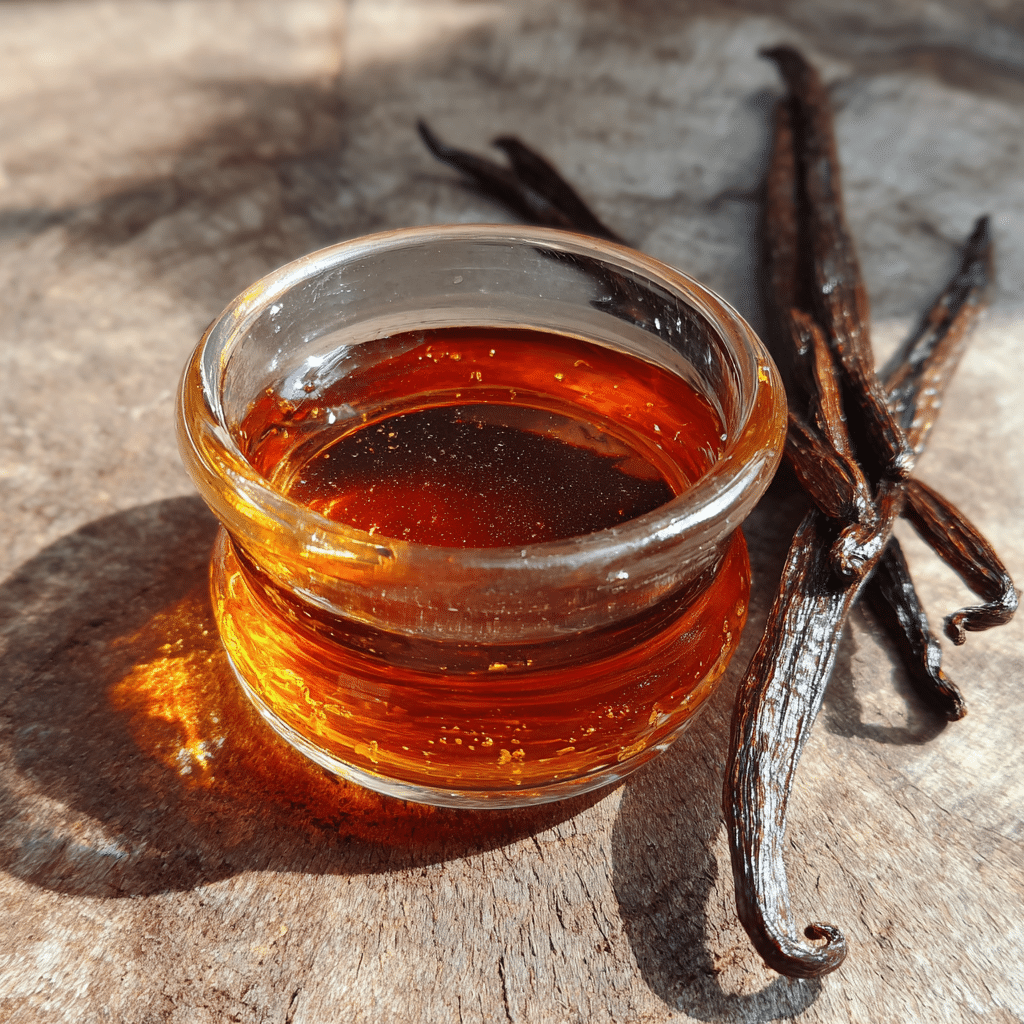
These flavor boosters help elevate a standard gluten-free brownie into a dessert worthy of any occasion. Check out other gluten-free dessert ideas like Gluten-Free Banana Pudding for inspiration.
Optional Mix-Ins for Extra Texture
Adding mix-ins can make your brownies unique and more indulgent:
- Dried fruit: Cherries, cranberries, or raisins for a chewy bite.
- White chocolate chips: Contrast with dark chocolate for sweetness and color.
- Shredded coconut: Adds texture and subtle flavor.
- Candy pieces: Mini chocolate or peanut butter cups for extra fun.
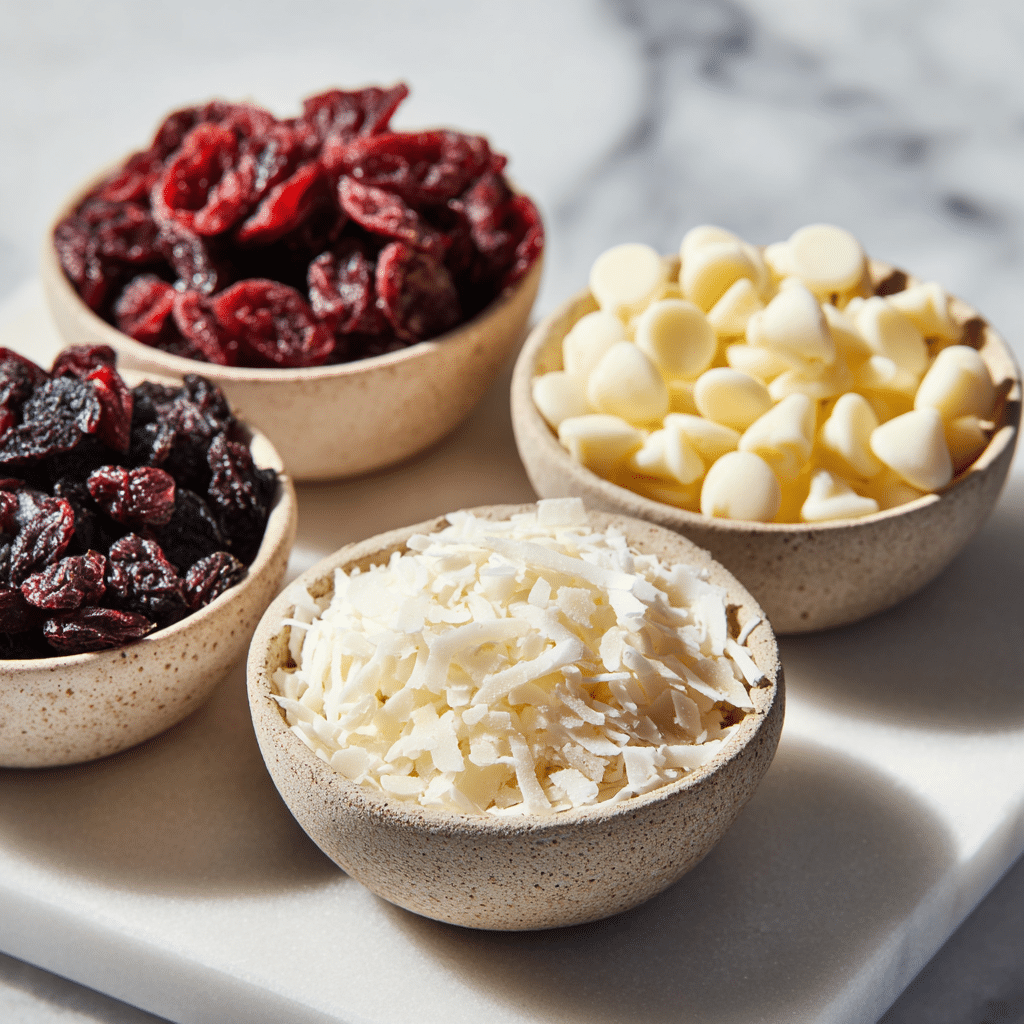
These mix-ins allow you to customize your gluten-free brownie recipe for holidays, gifts, or personal preference.
Baking and Cooling Tips for Perfect Gluten-Free Brownie Recipe
Choosing the Right Pan
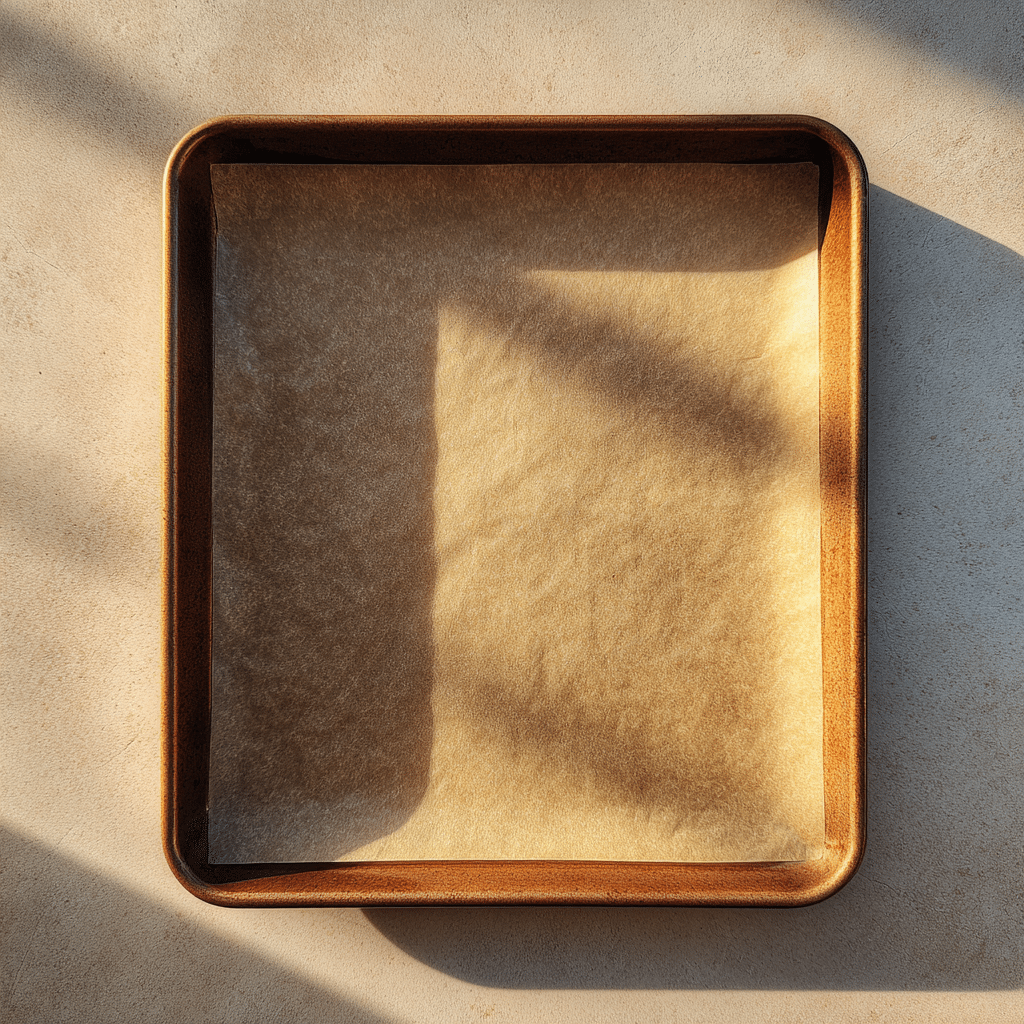
Baking the perfect gluten-free brownie recipe requires careful attention to both technique and timing. Choosing the right pan is essential; metal pans conduct heat evenly and create a nice crust on the edges, while glass pans retain heat longer and may need a slightly shorter baking time. Silicone pans are convenient and non-stick, but they can produce softer edges, so knowing your pan’s behavior can help you achieve the texture you want.
Baking Techniques to Keep Brownies Moist
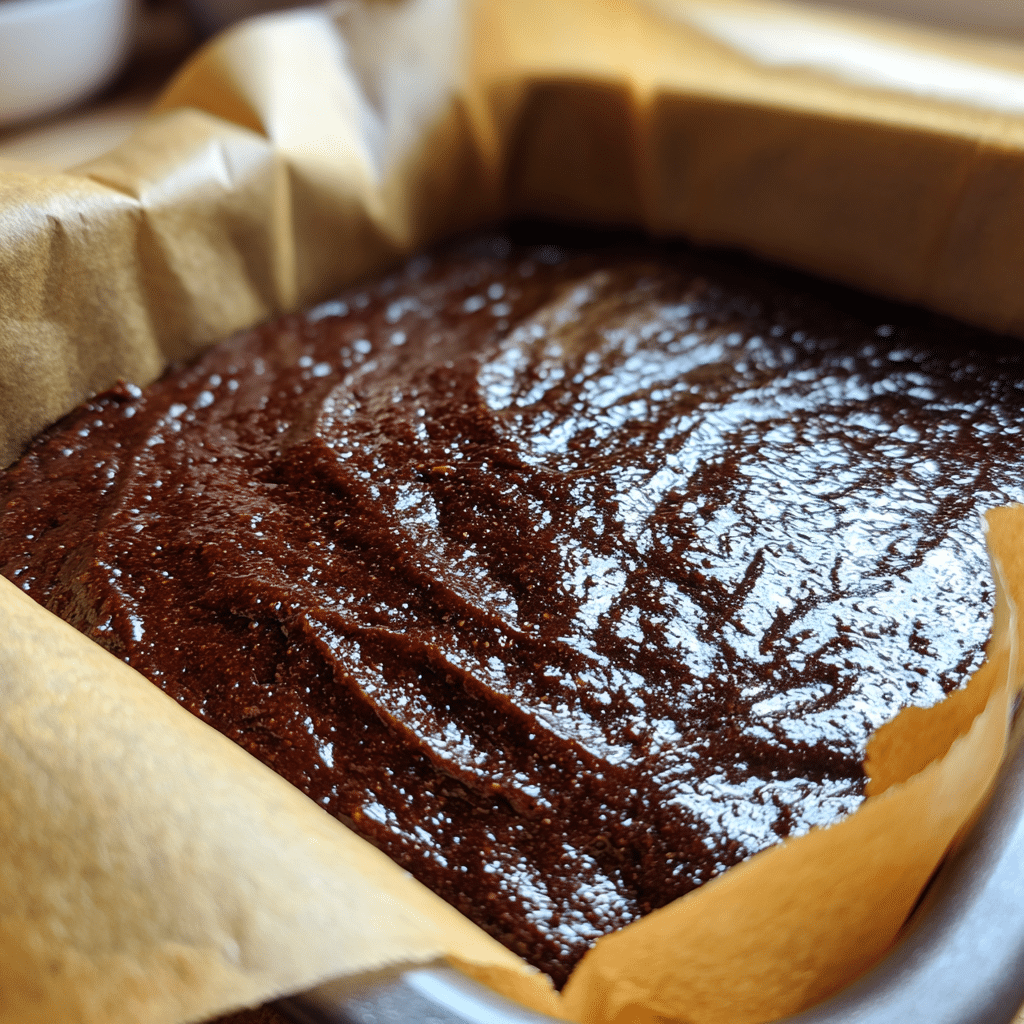
Proper baking is key to keeping brownies moist and fudgy. Avoid overbaking by checking doneness with a toothpick—it should come out with a few moist crumbs rather than being completely dry. Using parchment paper not only prevents sticking but also makes it easier to lift the brownies from the pan without breaking them. Maintaining an accurate oven temperature is also crucial, and an oven thermometer can prevent hot spots that might cause uneven baking. Another important factor is mixing: overmixing gluten-free batter can make brownies dense and grainy, so fold ingredients gently and avoid excessive stirring.
Cooling and Storage Tips
Cooling is equally important for perfect brownies. Let them cool in the pan for 10–15 minutes to allow them to set and avoid crumbling. Then, transfer the brownies to a wire rack to cool completely, which preserves texture and prevents sogginess. Once cooled, store them in an airtight container at room temperature for up to three days, or refrigerate for up to a week. By following these baking and cooling tips, your gluten-free brownie recipe will consistently produce rich, chewy brownies that everyone will enjoy. For additional inspiration and tips on gluten-free desserts, check out Gluten-Free Granola.

Common Mistakes and How to Fix Them in Gluten-Free Brownie Recipe
Preventing Dryness
Even experienced bakers can face challenges when making a gluten-free brownie recipe. One of the most common issues is dryness. Gluten-free flours tend to absorb more liquid than wheat flour, which can leave brownies crumbly or stiff. To prevent this, ensure you measure your ingredients carefully and consider adding a bit more fat or moisture, such as butter, coconut oil, or even a touch of applesauce. Another frequent mistake is overbaking. Because gluten-free brownies can set differently, leaving them in the oven even a few minutes too long can drastically affect texture. Always check doneness with a toothpick, aiming for a few moist crumbs rather than a completely dry surface.
Fixing Crumbliness
Crumbliness is another challenge, often caused by insufficient binding. Using eggs, flax eggs, or chia eggs helps hold the structure together. If you notice your gluten-free brownie recipe falling apart, consider adjusting the ratio of binder to flour or experimenting with a 1:1 gluten-free flour blend that includes xanthan or guar gum. Overmixing is a subtler mistake that can also impact texture. Gluten-free batters require gentle folding to avoid developing a dense, grainy result.
Enhancing Flavor
Flavor can also differ slightly from traditional brownies, especially when using alternative flours. Almond or coconut flour can add a nutty taste that not everyone prefers. If the flavor seems off, try combining flours or using vanilla extract, espresso powder, or a pinch of salt to enhance the chocolate richness. Even simple adjustments can make your gluten-free brownie recipe taste indulgent and closely mimic the texture of classic brownies. For more dessert tips and ideas, check out Gluten-Free Banana Pudding.
Serving Suggestions and Pairings for Gluten-Free Brownies
Fruit and Sweet Sauce Pairings
Serving your gluten-free brownie recipe in a creative and delicious way can elevate it from a simple dessert to a show-stopping treat. One of the easiest ways to enhance presentation is by pairing brownies with fresh fruits like strawberries, raspberries, or blueberries. The natural tartness of berries complements the rich chocolate flavor and adds a pop of color to your plate. For a decadent option, drizzle brownies with chocolate ganache, caramel sauce, or a light dusting of powdered sugar.
Ice Cream and Creamy Accompaniments
Ice cream is another classic pairing. Vanilla, coffee, or caramel ice cream provides a creamy contrast to the dense, fudgy texture of gluten-free brownies. You can also try serving brownies with a dollop of whipped cream or a scoop of coconut whipped cream for a dairy-free alternative. Nuts, such as toasted pecans or walnuts, add crunch and enhance the chocolatey flavor, while a sprinkle of sea salt brings out the sweetness.
Fun Dessert Twists
For a fun twist, consider turning your brownies into a layered dessert. Break brownies into chunks and layer them with pudding, whipped cream, and fresh fruit in a glass for an indulgent parfait. Mini brownie bites can also be served with chocolate dipping sauces or fruit coulis for parties and gatherings. By experimenting with toppings and pairings, your gluten-free brownie recipe becomes versatile, appealing, and perfect for any occasion.
Storing, Freezing, and Reheating Gluten-Free Brownie Recipe
Proper Storage for Freshness
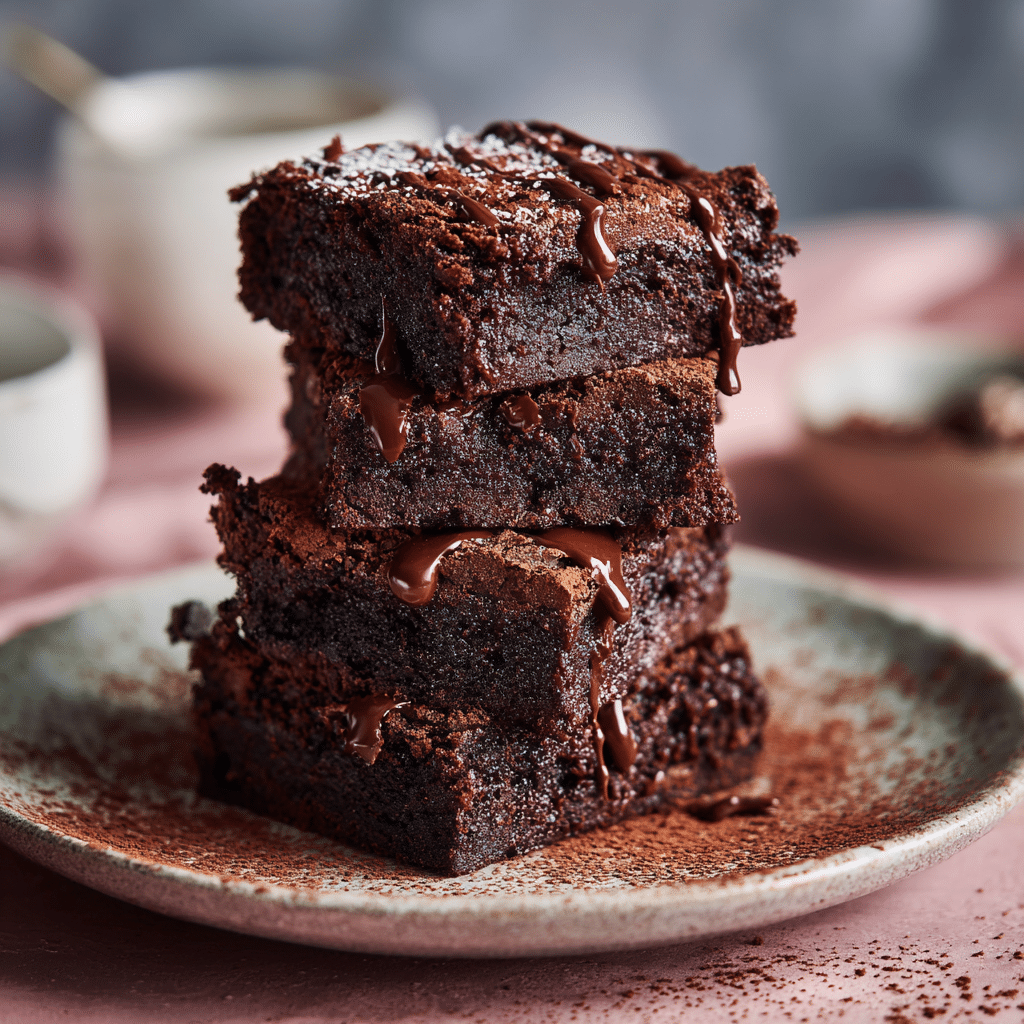
To keep your gluten-free brownie recipe at its best, storing them correctly is essential. After cooling completely, place brownies in an airtight container at room temperature. This method preserves their fudgy texture and rich chocolate flavor for up to three days. If you plan to enjoy them over a longer period, refrigeration can extend their shelf life to about a week, though you may need to bring them to room temperature before serving for the best taste.
Freezing and Reheating Tips
For longer storage, brownies freeze exceptionally well. Wrap them tightly in plastic wrap or aluminum foil and place them in a freezer-safe container. They can last up to three months frozen without losing flavor or texture. When ready to enjoy, thaw brownies at room temperature or warm them gently in the oven for a few minutes. Reheating preserves the fudgy consistency and allows you to enjoy freshly baked flavors anytime, making your gluten-free brownie recipe convenient and versatile.
FAQs
What is the best binder for gluten-free brownies?
The best binders for a gluten-free brownie recipe are eggs, flax eggs, chia eggs, or a combination of xanthan gum with gluten-free flour. These ingredients help maintain structure and prevent crumbling, ensuring brownies hold together well while remaining fudgy.
What is the secret to gluten-free baking?
The secret lies in balancing moisture, selecting the right flour blend, and avoiding overmixing. Combining different gluten-free flours, like almond and rice flour, with binders ensures a chewy, rich texture. Additionally, monitoring baking time closely prevents dryness, making every bite indulgent.
Do gluten-free brownies taste different?
Gluten-free brownies can taste slightly different depending on the flour blend used, but when baked correctly, they can be just as rich, fudgy, and chocolatey as traditional brownies. Flavor enhancers like vanilla, espresso powder, or a pinch of salt can help achieve a taste similar to classic brownies.
What is a good substitute for flour in brownies?
Good substitutes include almond flour, coconut flour, oat flour, or a 1:1 gluten-free flour blend. Each option provides unique textures and flavors, so experimenting can help you find the perfect balance for your gluten-free brownie recipe.
Conclusion
Mastering a gluten-free brownie recipe doesn’t have to be complicated. With the right ingredients, careful baking techniques, and proper cooling, you can create brownies that are fudgy, flavorful, and satisfying for everyone. To take your dessert game further, explore creative presentation ideas, mix-ins, and pairings. For more inspiration, discover our recipe boards on Pinterest, share your creations and see others’ twists on Tumblr, follow quick tips and updates on X, or read detailed guides and articles on Medium.
By experimenting with flavors, textures, and toppings, your gluten-free brownie recipe can rival traditional brownies and become a favorite for family, friends, and gatherings. Sharing and exploring recipes across these platforms ensures you never run out of ideas and keeps your baking fun, creative, and engaging.
Meet Emily Culino
Emily Culino is the creative voice behind EasyCookingUS, where she shares her passion for simple, wholesome, and gluten-free recipes. Dedicated to making gluten-free cooking easy for everyone, Emily crafts dishes that are both delicious and approachable. Her decadent desserts, like this Gluten-Free Brownie Recipe, prove that gluten-free baking can be indulgent, rich, and full of flavor. Through EasyCookingUS, Emily inspires home bakers to create sweet moments in the kitchen — one brownie at a time.
Table of Contents
Decadent and Chewy Gluten-Free Brownie Recipe You’ll Love
Equipment
- mixing bowls
- whisk
- measuring cups and spoons
- sifter or fine mesh sieve
- 8×8 inch baking pan
- parchment paper
- spatula
Ingredients
- 1/2 cup unsalted butter or coconut oil, melted
- 3/4 cup granulated sugar
- 1/4 cup brown sugar
- 2 large eggs (or 2 flax eggs for vegan option)
- 1 tsp vanilla extract
- 1/2 cup unsweetened cocoa powder
- 1/3 cup almond flour
- 1/3 cup oat flour (certified gluten-free)
- 1/4 tsp salt
- 1/2 cup dark chocolate chips or chunks
- 1/4 tsp espresso powder (optional, enhances chocolate flavor)
Instructions
- Preheat the oven to 350°F (175°C). Line an 8×8-inch pan with parchment paper and lightly grease the edges.
- In a mixing bowl, whisk together melted butter (or coconut oil), granulated sugar, and brown sugar until smooth and glossy.
- Add the eggs and vanilla extract. Beat until well combined and slightly thickened.
- Sift in cocoa powder, almond flour, oat flour, and salt. Gently fold the dry ingredients into the wet mixture until just combined.
- Stir in dark chocolate chips and espresso powder (if using). Avoid overmixing to maintain fudgy texture.
- Pour the batter into the prepared pan, spreading evenly. Bake for 22–25 minutes, or until a toothpick comes out with a few moist crumbs.
- Cool the brownies in the pan for 10–15 minutes, then lift out with parchment and cool completely before cutting.