
Why Make This Recipe
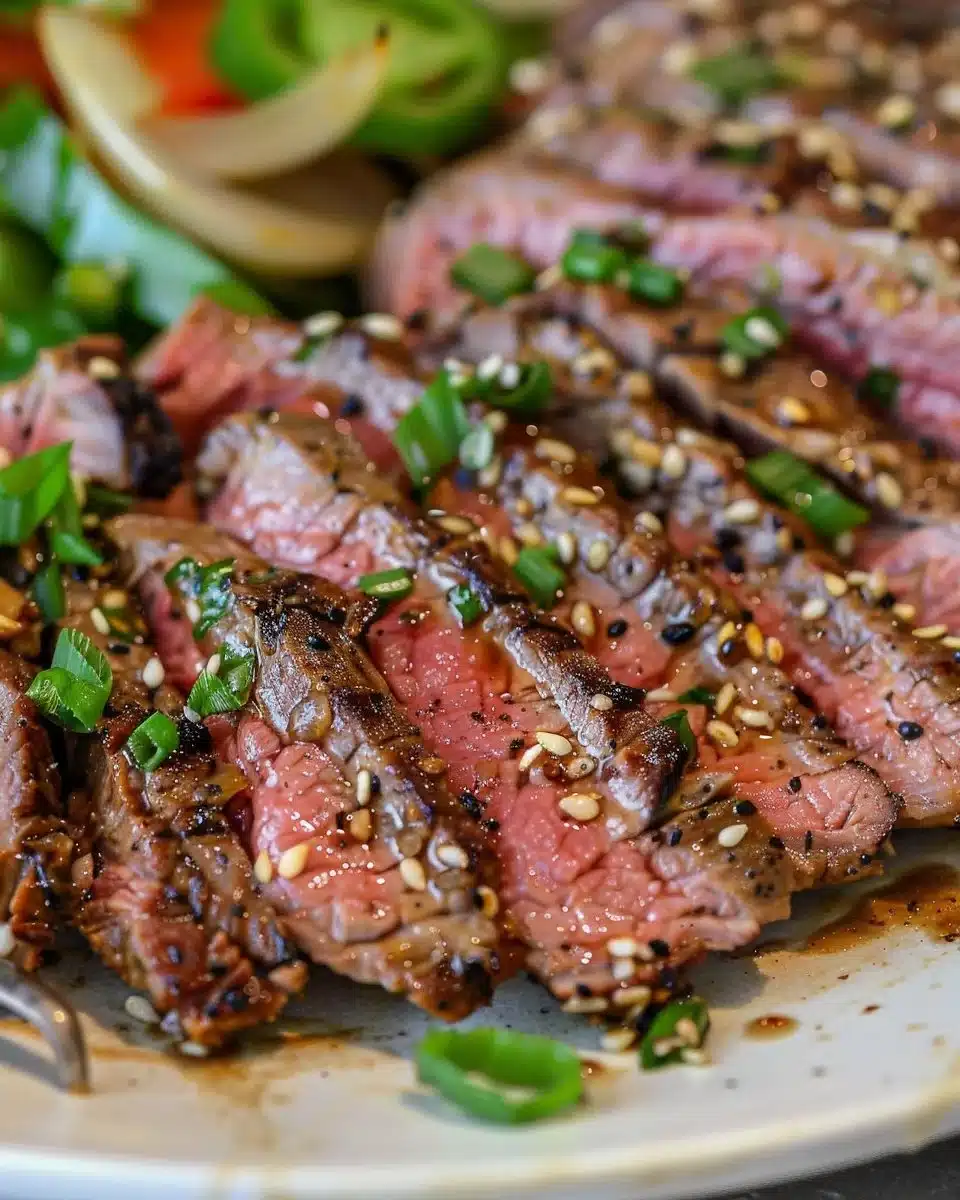
Beef Bulgogi is a popular Korean dish that many people love because of its sweet and savory flavor. It’s easy to prepare and perfect for gatherings or a simple family meal. The marinated beef is tender and juicy, making it a great option for both seasoned cooks and beginners. Plus, it’s a delightful way to introduce your family and friends to Korean cuisine!
How to Make Beef Bulgogi
Ingredients
- 1 pound beef sirloin or ribeye, thinly sliced
- 1/4 cup soy sauce
- 2 tablespoons sugar
- 1 tablespoon sesame oil
- 2 cloves garlic, minced
- 1 teaspoon ginger, minced
- 1/4 teaspoon black pepper
- 1 green onion, chopped
- 1 tablespoon toasted sesame seeds
- Optional: sliced vegetables (like bell peppers or onions) for grilling
Directions
- In a bowl, combine soy sauce, sugar, sesame oil, garlic, ginger, and black pepper to make the marinade.
- Add the sliced beef to the marinade, making sure it’s well coated. Marinate for 1-2 hours in the refrigerator.
- Preheat a grill or skillet over medium-high heat.
- If using, add sliced vegetables to the grill along with the marinated beef.
- Grill the beef for about 4-5 minutes, flipping occasionally, until cooked through.
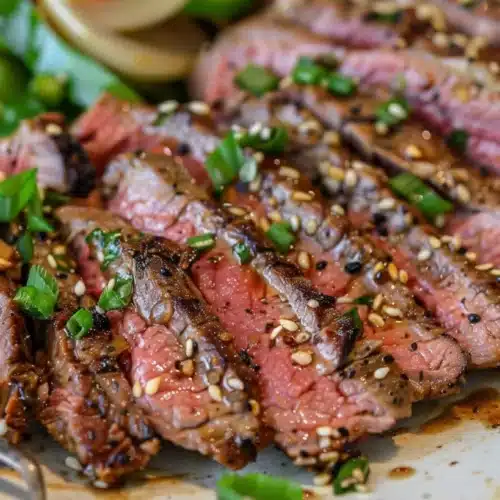
- Garnish with chopped green onions and toasted sesame seeds before serving.
- Serve hot with rice or lettuce wraps.
How to Serve Beef Bulgogi
Beef Bulgogi pairs wonderfully with steamed rice or crispy lettuce leaves, which you can use to wrap the beef. You can also serve it alongside kimchi and other Korean side dishes for a complete meal. Don’t forget to add more green onions or sesame seeds on top for extra flavor!
How to Store Beef Bulgogi
If you have leftovers, store the cooked beef in an airtight container in the refrigerator. It will stay fresh for about 3 to 4 days. You can also freeze marinated beef before cooking it. Just make sure to thaw it in the fridge before grilling.
Tips to Make Beef Bulgogi
- Slice the beef thinly against the grain for tenderness.
- Marinating the beef longer, up to overnight, will enhance the flavors even more.
- For added taste, grill the beef on high heat to get a nice char and smoky flavor.
- Feel free to mix in any veggies you have on hand to make the dish more colorful and nutritious.
Variation
You can try using different cuts of beef like flank steak or even chicken for a twist on this classic recipe. Adding different sauces or spices can also create a new flavor profile, making it a versatile dish for your kitchen.
FAQs
1. Can I use a different type of meat?
Yes, you can use chicken, pork, or even tofu if you’re looking for a vegetarian option.
2. How spicy is Beef Bulgogi?
Traditional Beef Bulgogi is not spicy, but you can add gochujang (Korean chili paste) to the marinade if you’d like some heat.
3. How can I make this recipe gluten-free?
Use gluten-free soy sauce or tamari instead of regular soy sauce, and make sure all other ingredients are gluten-free.
Beef Bulgogi
Ingredients
For the Marinade
- 1 pound beef sirloin or ribeye, thinly sliced Choose a tender cut for best results.
- 1/4 cup soy sauce Use gluten-free soy sauce for a gluten-free option.
- 2 tablespoons sugar Can be adjusted based on taste preference.
- 1 tablespoon sesame oil Adds a rich flavor.
- 2 cloves garlic, minced
- 1 teaspoon ginger, minced
- 1/4 teaspoon black pepper
For Garnish and Serving
- 1 bunch green onion, chopped For garnish.
- 1 tablespoon toasted sesame seeds For garnish.
- as needed pieces sliced vegetables (optional, like bell peppers or onions) For grilling.
Instructions
Preparation
- In a bowl, combine soy sauce, sugar, sesame oil, garlic, ginger, and black pepper to make the marinade.
- Add the sliced beef to the marinade, making sure it’s well coated. Marinate for 1-2 hours in the refrigerator.
Cooking
- Preheat a grill or skillet over medium-high heat.
- If using, add sliced vegetables to the grill along with the marinated beef.
- Grill the beef for about 4-5 minutes, flipping occasionally, until cooked through.
- Garnish with chopped green onions and toasted sesame seeds before serving.
Serving
- Serve hot with rice or lettuce wraps, alongside kimchi and other Korean side dishes.